Solar Energy for Nigerian Hospitals
From a rural primary health centre to a multi-ward teaching hospital, a power cut in healthcare isn't an inconvenience — it's a risk to patients. Diesel is expensive and generators fail. We design hybrid solar systems that keep critical loads running and cut the fuel bill at every scale.
Content last verified: 2026-10-16. Serving Lagos, Abuja, Rivers, Ogun, and Kano.
4
healthcare facility types served
10 yr
panel & workmanship warranty
24/7
critical-load backup design
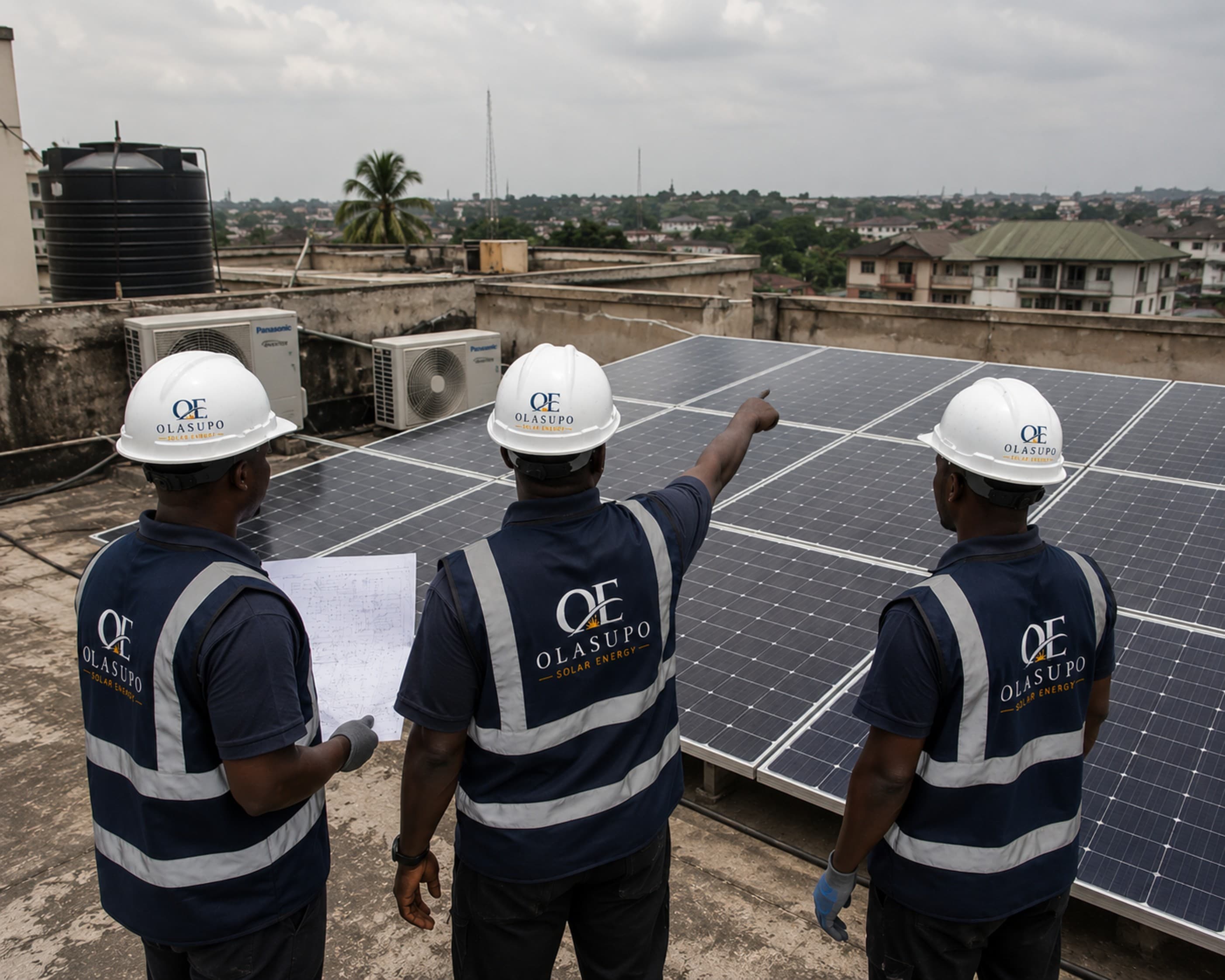
Why Hospitals Need a Different Approach to Solar
A shop can close for an hour when the power drops. A hospital can't. Theatres, ICUs, oxygen supply, and vaccine and blood cold storage all depend on continuous power, which is why reliability and clean switchover matter as much as the monthly saving.
Healthcare loads also aren't equal. Life-critical circuits need to be separated from general loads so battery capacity goes to what matters first. A 12-bed clinic and a 300-bed hospital have very different load profiles, and sizing that treats them the same either overspends or leaves critical areas exposed.
Find Your Facility Type
Each type of facility has a different load profile and a different install approach. Pick the one closest to yours for more specific sizing. Size ranges are typical, not fixed.
General & Teaching Hospitals
100kW–1MW+Multi-ward hospitals with theatres, ICU, imaging, laboratories, laundry, and kitchens running around the clock.
See sizing & pricing →Private Hospitals & Specialist Clinics
30kW–300kWOwner-run private hospitals, maternity homes, and specialist centres with heavy cooling, theatre, and equipment loads.
See sizing & pricing →Diagnostic Centres & Labs
20kW–150kWImaging and pathology facilities where sensitive equipment and sample storage can't tolerate unstable power.
See sizing & pricing →Clinics & Primary Health Centres
5kW–30kWSmall clinics and PHCs, often off-grid or on unreliable supply, with vaccine fridges, lighting, and basic equipment.
See sizing & pricing →What Solar Covers, Whatever Your Scale
The exact loads vary by facility, but these are the categories we prioritise when designing for healthcare.
Theatres & ICU
Life-critical circuits kept on a protected supply with clean switchover, so battery capacity goes where it matters first.
Oxygen & medical equipment
Oxygen concentrators, monitors, suction, and ventilation support that need steady, stable power.
Cold chain
Vaccine, blood bank, and laboratory sample refrigeration, where one outage can mean lost stock.
Imaging & diagnostics
X-ray, ultrasound, CT, and lab analysers, sized with the high surge loads these devices draw.
Cooling & climate control
Wards, theatres, and server rooms, usually the largest continuous load in the building.
Water, sterilisation & laundry
Borehole pumps, water heating, autoclaves, and laundry, which run harder than most facility managers expect.
One Process, Built Around Patient Care
Whether it's a single clinic or a multi-block hospital, the install follows the same core steps, planned so clinical operations aren't interrupted.
Facility & load audit
We map your loads by department and separate critical circuits from general loads before sizing anything.
System design & sizing
Panel, inverter, and battery sizing matched to your actual facility and outage pattern, not a generic healthcare package.
Phased, low-disruption installation
Work is scheduled by ward and department so patient care and procedures keep running throughout.
Electrical integration
Switchboard and changeover work coordinated with your generator and utility supply to avoid extended downtime.
Commissioning & handover
Load testing, monitoring setup, and a walkthrough with your facility or biomedical engineering team.
Ways to Pay
Most healthcare clients structure payment across the build rather than paying everything upfront.
Full Upfront Payment
Pay the full installed cost at commissioning. Lowest total cost, savings start from month one.
Staged Payment Plan
Split into deposit, milestone, and commissioning payments tied to project stages. No interest.
Lease-to-Own / PPA Financing
Structured payments below your current diesel spend. Available through select partners — ask us for current terms.
What Would Solar Save Your Hospital?
Enter your current diesel and electricity spend to see your payback period and 10-year saving.
Commercial Solar ROI Calculator
See exactly how much your business saves by going solar
SELECT FACILITY TYPE
Installed Across Nigerian Healthcare Facilities
Hospitals, clinics, and diagnostic centres. Here's the kind of work the sector gets from us.
Home Solar
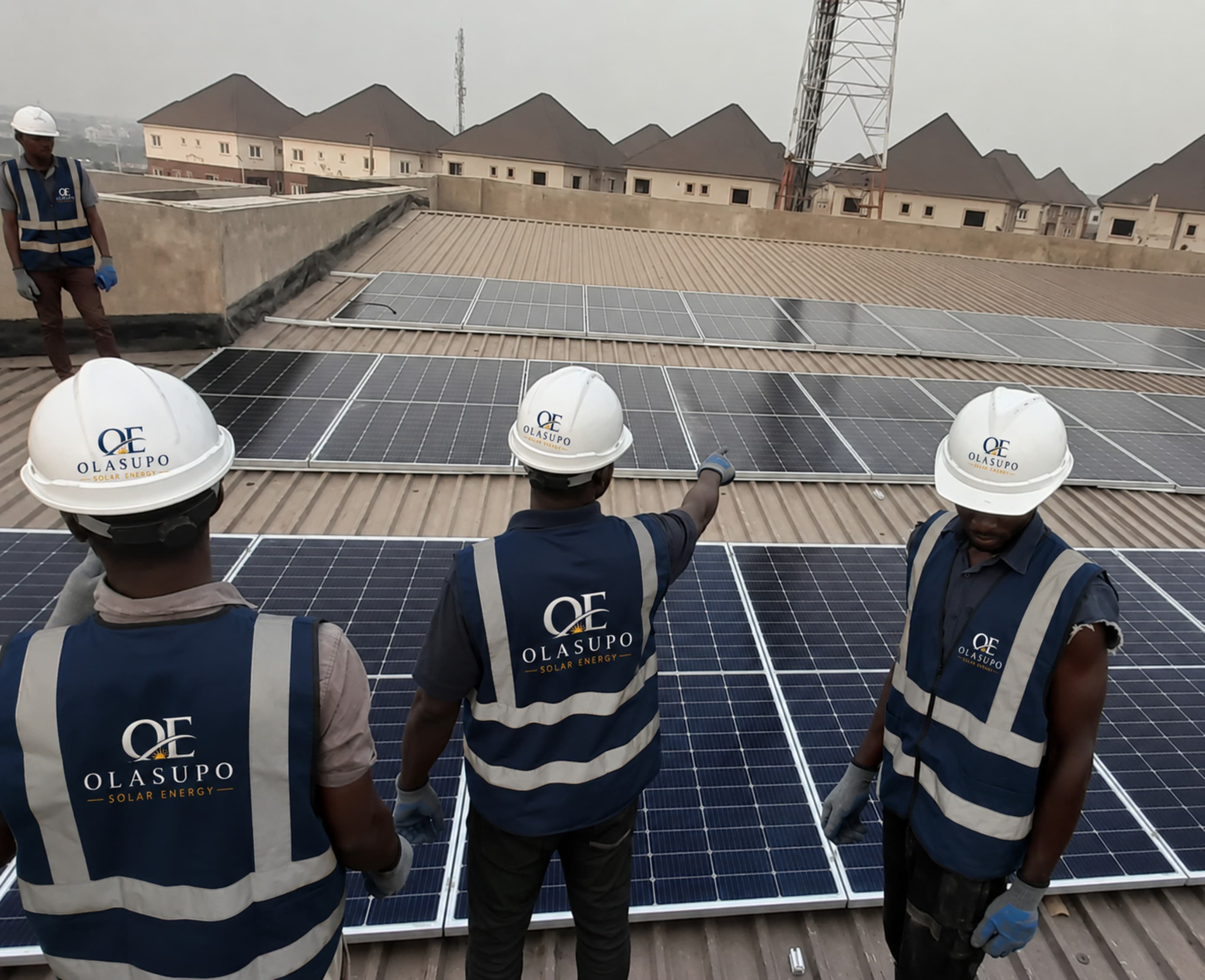
Rooftop solar systems that keep lights, fans, fridges, and home offices running through outages — sized to your household's real daily usage, not a generic package.
Backup power for essential appliances during grid outages
Battery storage sized to your household's overnight needs
Installed and commissioned by our own certified technicians
3–7 days
typical install time
10+ yrs
warranty coverage
Business & Commercial
Shops, offices, hotels, and salons running on solar instead of diesel — cutting daily generator costs while keeping operations online through every outage.
Designed around your peak operating hours and equipment load
Reduces or eliminates daily diesel generator running costs
Flexible financing available with little to no upfront cost
18–30 mo
typical payback
100%
uptime through outages
Farms & Agribusiness
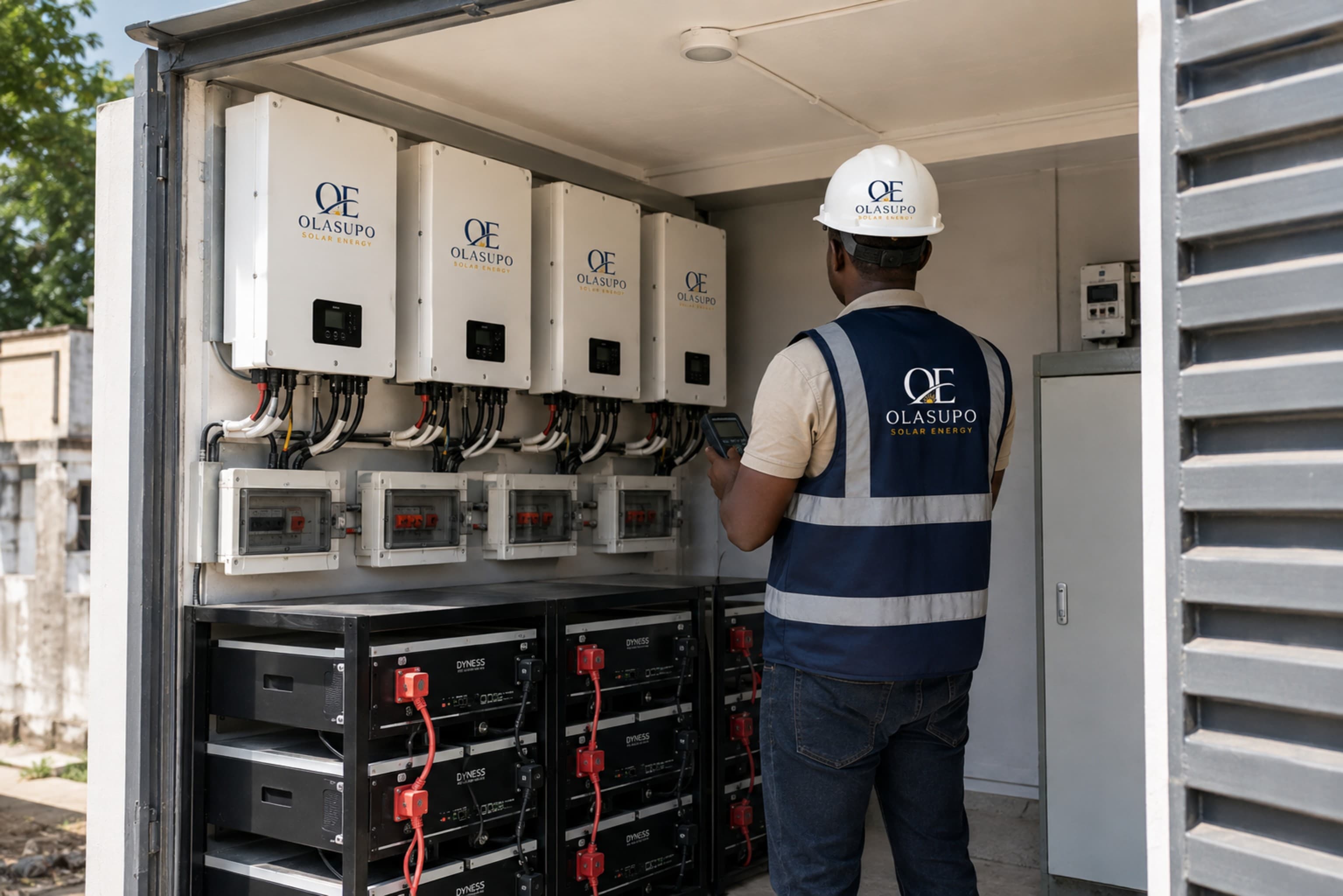
Irrigation pumps, cold rooms, and milling equipment powered without fuel — protecting perishable stock and keeping farm operations running on schedule, rain or shine.
Solar-powered irrigation pumps that run without diesel refills
Cold storage kept online to protect perishable harvests
Sized for milling, drying, and other processing equipment
0
diesel refills needed
20+ yrs
panel lifespan
Manufacturing & Factories
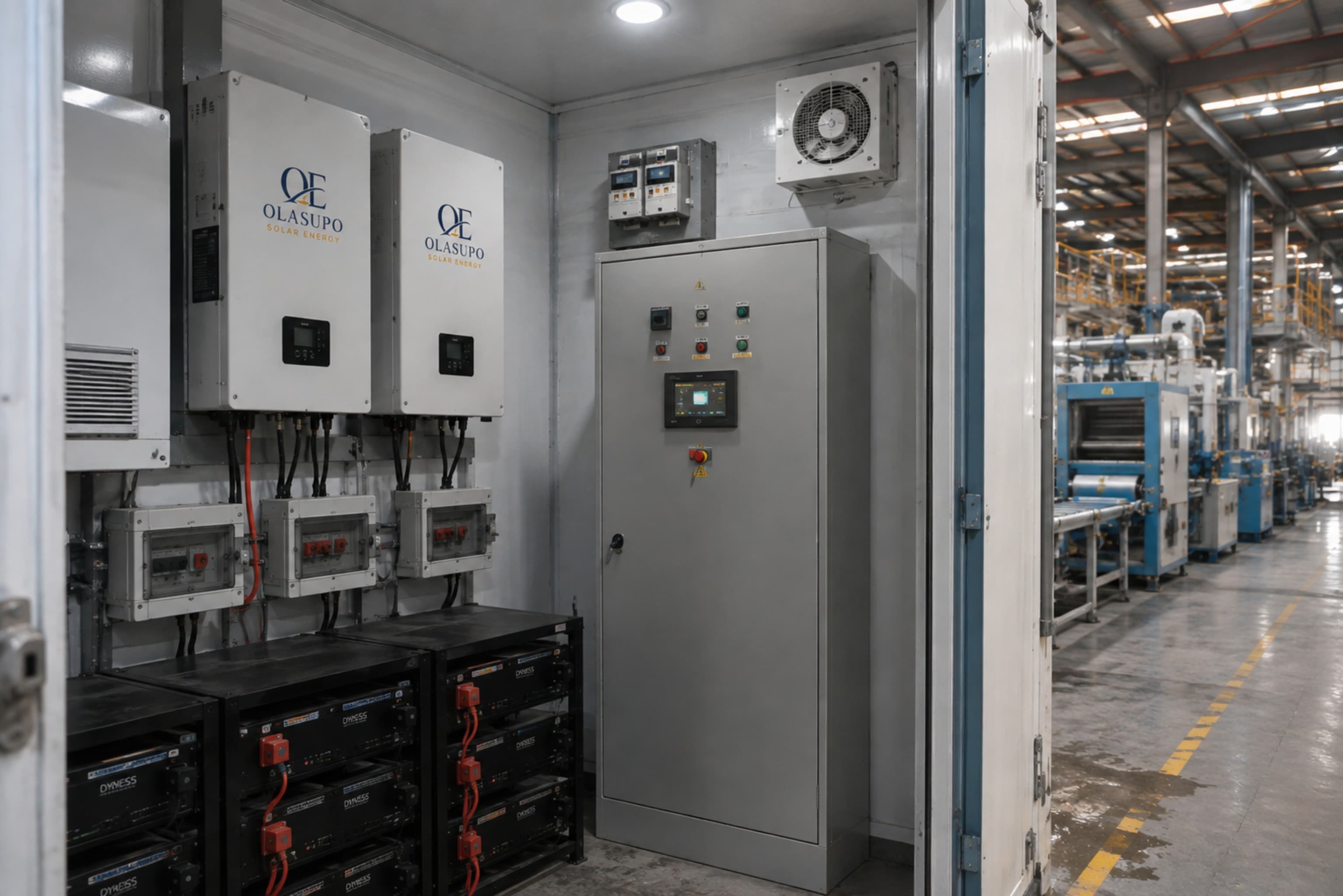
Full production lines and heavy machinery on hybrid solar systems — engineered in-house for factory-scale loads, from 100kw sites up to multi-megawatt installations.
Systems sized from 100kw up to 5MW for industrial loads
Installed with zero interruption to ongoing production
Hybrid battery and inverter setup for round-the-clock power
100kw–5MW
system range
8–12 wks
install time (500kw)
Hospital Solar in Nigeria — Common Questions
How do you size solar for a hospital?
We start with a department-by-department load audit, then separate critical loads (theatres, ICU, oxygen, cold chain) from general loads. Panel, inverter, and battery capacity are sized around your outage pattern and the autonomy you need for critical areas.
Will solar replace our generator completely?
Not necessarily. Most hospitals keep a generator as a last-resort backup. A hybrid system handles the daily load and critical circuits from solar and batteries, so the generator runs far less and diesel spend drops sharply.
Will there be a power interruption to the wards during installation?
We plan the work in phases and coordinate switchboard and changeover work with your facility team so planned shutdowns are short and scheduled around clinical activity.
Can solar handle high-draw equipment like imaging machines?
Yes, if it's designed for it. Imaging and some sterilisation equipment have high surge loads, so we size inverters and batteries for peak demand, not just average consumption.
We run a small clinic or PHC. Is solar worth it for us?
Often, yes. A small system covering lighting, vaccine refrigeration, and basic equipment can pay back quickly where diesel is the main power source or supply is unreliable.
Do hospital groups with multiple facilities get different terms?
Groups can scope and size across several facilities together, which is often more cost-effective than separate quotes per site.
Ready to Quote Your Facility?
Send us your current diesel or grid bill on WhatsApp. We'll size it against your actual facility and return a real, itemized quote — free, no obligation.
WhatsApp Olasupo Energy