24-Hour Power for Nigerian Hospitals with Solar
Hospitals don't close at 6pm, and neither can the power. Solar panels only produce in daylight, so round-the-clock supply comes from the design: batteries for the night, grid and generator as backup, and critical loads protected first. Here's how it works and what it takes.
Content last verified: 2026-10-16. Serving Lagos, Abuja, Rivers, Ogun, and Kano.
24/7
critical-load backup design
4 sources
solar, battery, grid, generator
10 yr
panel & workmanship warranty
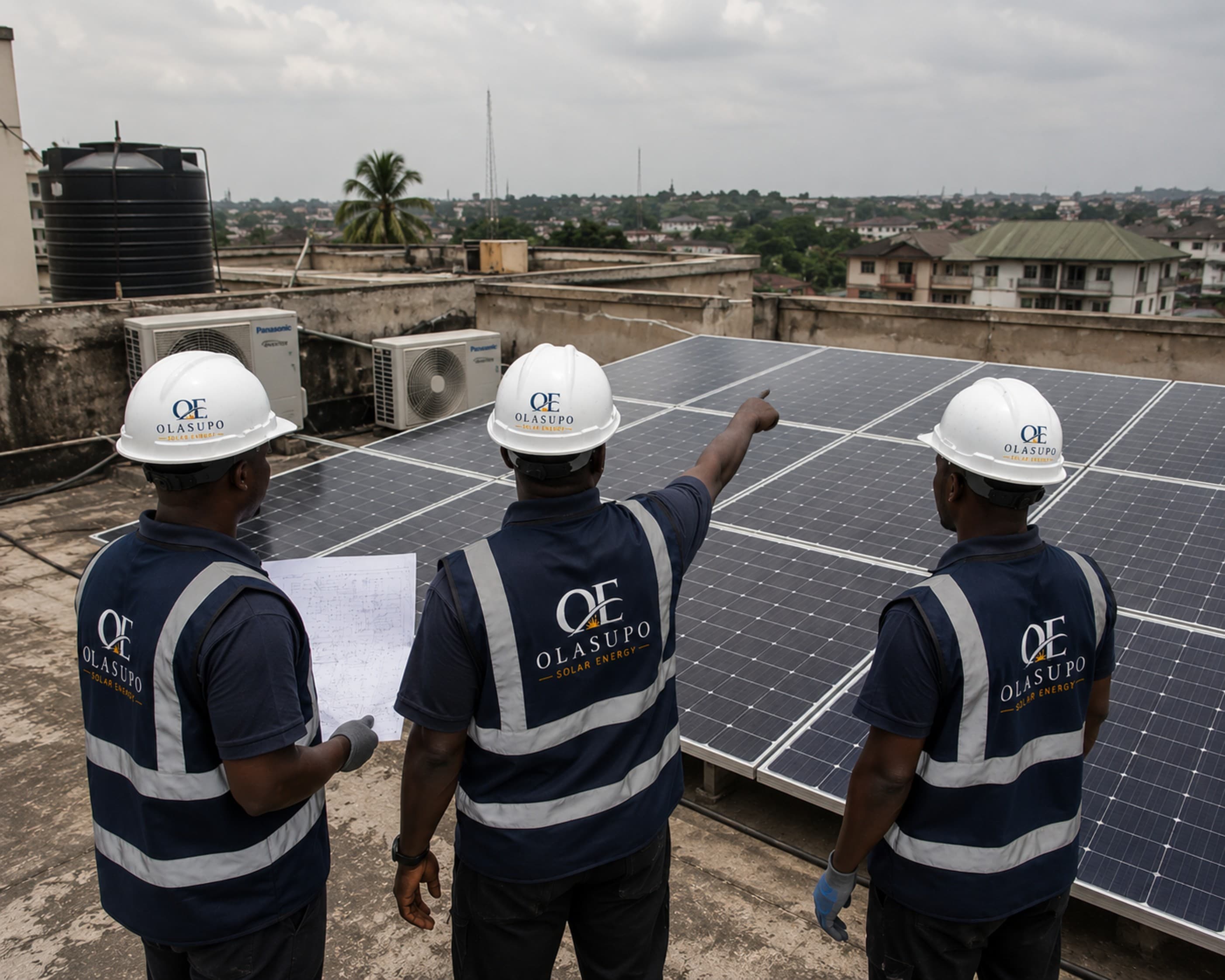
Can Solar Really Give a Hospital 24-Hour Power?
Yes, with the right design. But panels alone don't do it. At night, and on heavy overcast days, power comes from batteries charged earlier, from the grid when it's available, and from a generator as the last line. What makes it work is how those sources are sized and sequenced, and which loads they're asked to carry.
Be wary of any quote that promises full-facility, zero-diesel, 24-hour power without telling you the battery capacity behind it. The battery bank, not the panel count, is what decides how long your wards stay powered after sunset. Your quote should state it in kWh, along with which loads it covers.
How a Hybrid System Carries Your Hospital Through the Day
The same system, working with different sources as the day goes on.
Daytime
Morning to late afternoonPanels power the hospital directly and charge the battery bank with the surplus. This is when most of the diesel saving happens.
Main source: Solar
Evening peak
Late afternoon to nightSolar fades as lighting, cooling, and ward activity rise. Stored battery energy takes over so there's no gap at sunset.
Main source: Battery
Overnight
Night to early morningBatteries carry critical and essential loads. Grid supply, where available, can top up or take over non-critical loads.
Main source: Battery + grid
Extended outage or low sun
Any timeIf batteries run low after a long outage or several overcast days, an automatic generator starts as a last line, running far less than it does today.
Main source: Generator backup
Choose Your Level of Round-the-Clock Cover
"24-hour power" can mean different things. The more of the building you cover overnight, the larger the battery bank and the higher the cost.
Critical-Load Cover
Lowest battery costProtects only the areas that can never lose power through the night, with the rest of the building on grid or generator as before.
- ✓Theatres, ICU, and emergency
- ✓Oxygen supply and life-support equipment
- ✓Vaccine, blood, and sample cold storage
- ✓Core lighting and nurse stations
Extended Cover
Most common choiceCritical loads plus the essentials that keep wards comfortable and operational overnight.
- ✓Everything in critical-load cover
- ✓Ward lighting and selected AC zones
- ✓Water pumps and heating
- ✓IT, records, and security systems
Full-Facility Hybrid
Largest battery bankMost of the building runs from solar and batteries around the clock, with the grid and generator purely as backup.
- ✓Everything in extended cover
- ✓Wider AC and HVAC coverage
- ✓Laundry, kitchen, and imaging loads
- ✓Maximum reduction in diesel use
For typical system sizes by facility, see our hospital solar page or the full price list.
What Keeps the Power On
The design choices that decide whether "24-hour" holds up on the worst night, not just the average one.
Battery capacity sized in kWh
Sized from your overnight load and the autonomy you need, and stated plainly on your quote.
Critical-load separation
Life-critical circuits on their own protected supply so battery energy goes to them first.
Automatic changeover
Seamless switching between solar, battery, grid, and generator so nothing needs a manual flip during an outage.
Generator integration
Your existing generator becomes an automatic last line, running far less often and for shorter periods.
Planning for bad weather
We size for low-sun days, not just the average, and tell you what the system does when the weather is poor.
Remote monitoring & alerts
See battery level, solar output, and faults in real time, with alerts before a problem reaches a ward.
Installed Without Switching Your Hospital Off
Your existing supply keeps running while the new system is built alongside it.
24-hour load audit
We map your loads by department and by time of day, with a particular focus on what runs overnight.
Resilience design
You choose the level of cover, and we size panels, batteries, and inverters to deliver it, including how the generator fits in.
Phased installation alongside live supply
The new system is built next to your existing supply, so the hospital keeps running while it goes in.
Short, planned changeovers
Switchboard work is done in brief, pre-agreed windows coordinated with your clinical and facilities teams.
Commissioning & outage testing
We load-test the system and simulate a grid failure so you see the changeover work before handover.
Ways to Pay
Most hospital clients structure payment across the build rather than paying everything upfront.
Full Upfront Payment
Pay the full installed cost at commissioning. Lowest total cost, savings start from month one.
Staged Payment Plan
Split into deposit, milestone, and commissioning payments tied to project stages. No interest.
Lease-to-Own / PPA Financing
Structured payments below your current diesel spend. Available through select partners — ask us for current terms.
What Would Solar Save Your Hospital?
Enter your current diesel and electricity spend to see your payback period and 10-year saving.
Commercial Solar ROI Calculator
See exactly how much your business saves by going solar
SELECT FACILITY TYPE
Installed Across Nigerian Healthcare Facilities
Hospitals, clinics, and diagnostic centres. Here's the kind of work the sector gets from us.
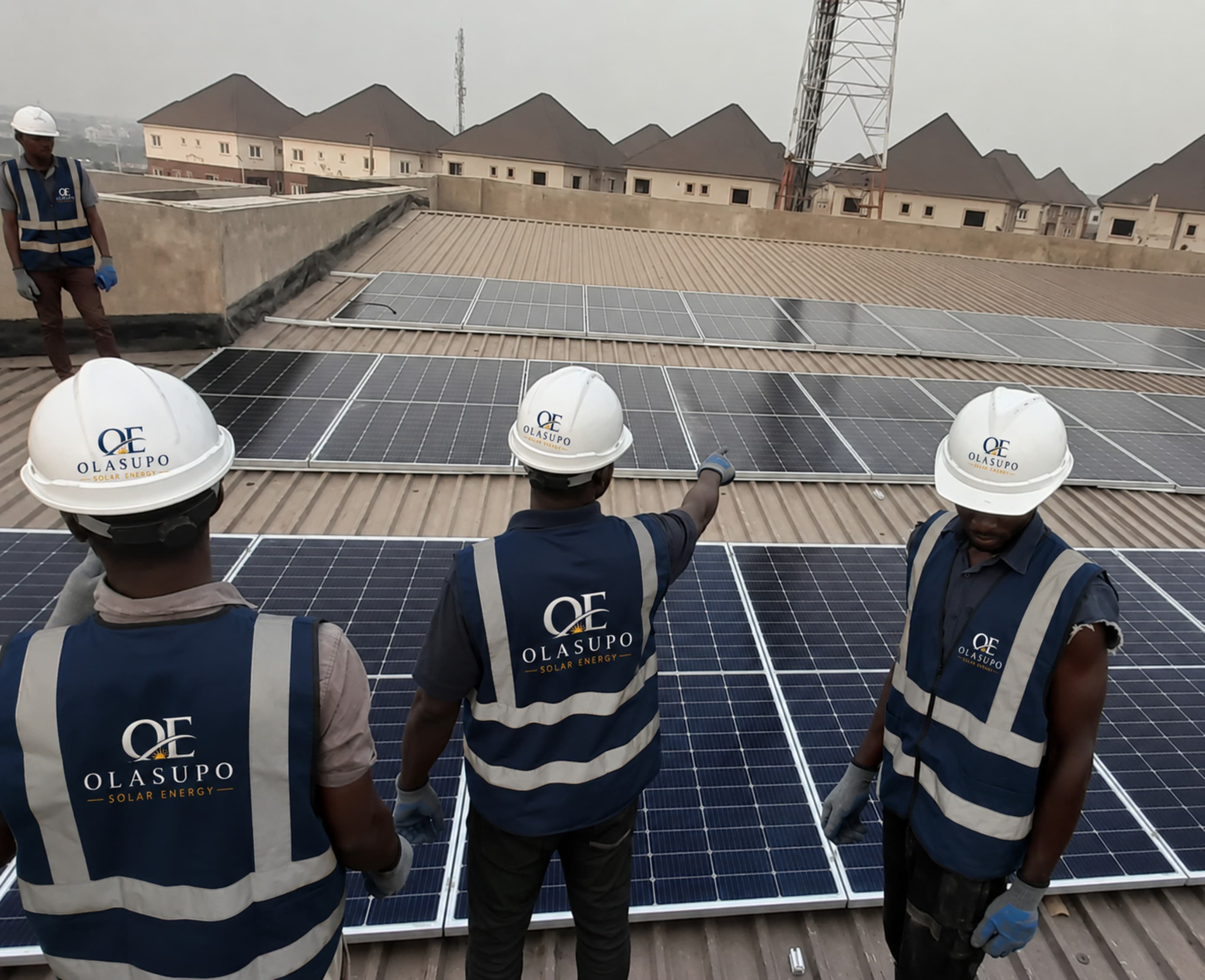
Home Solar
Rooftop solar systems that keep lights, fans, fridges, and home offices running through outages — sized to your household's real daily usage, not a generic package.
Backup power for essential appliances during grid outages
Battery storage sized to your household's overnight needs
Installed and commissioned by our own certified technicians
3–7 days
typical install time
10+ yrs
warranty coverage
Business & Commercial
Shops, offices, hotels, and salons running on solar instead of diesel — cutting daily generator costs while keeping operations online through every outage.
Designed around your peak operating hours and equipment load
Reduces or eliminates daily diesel generator running costs
Flexible financing available with little to no upfront cost
18–30 mo
typical payback
100%
uptime through outages
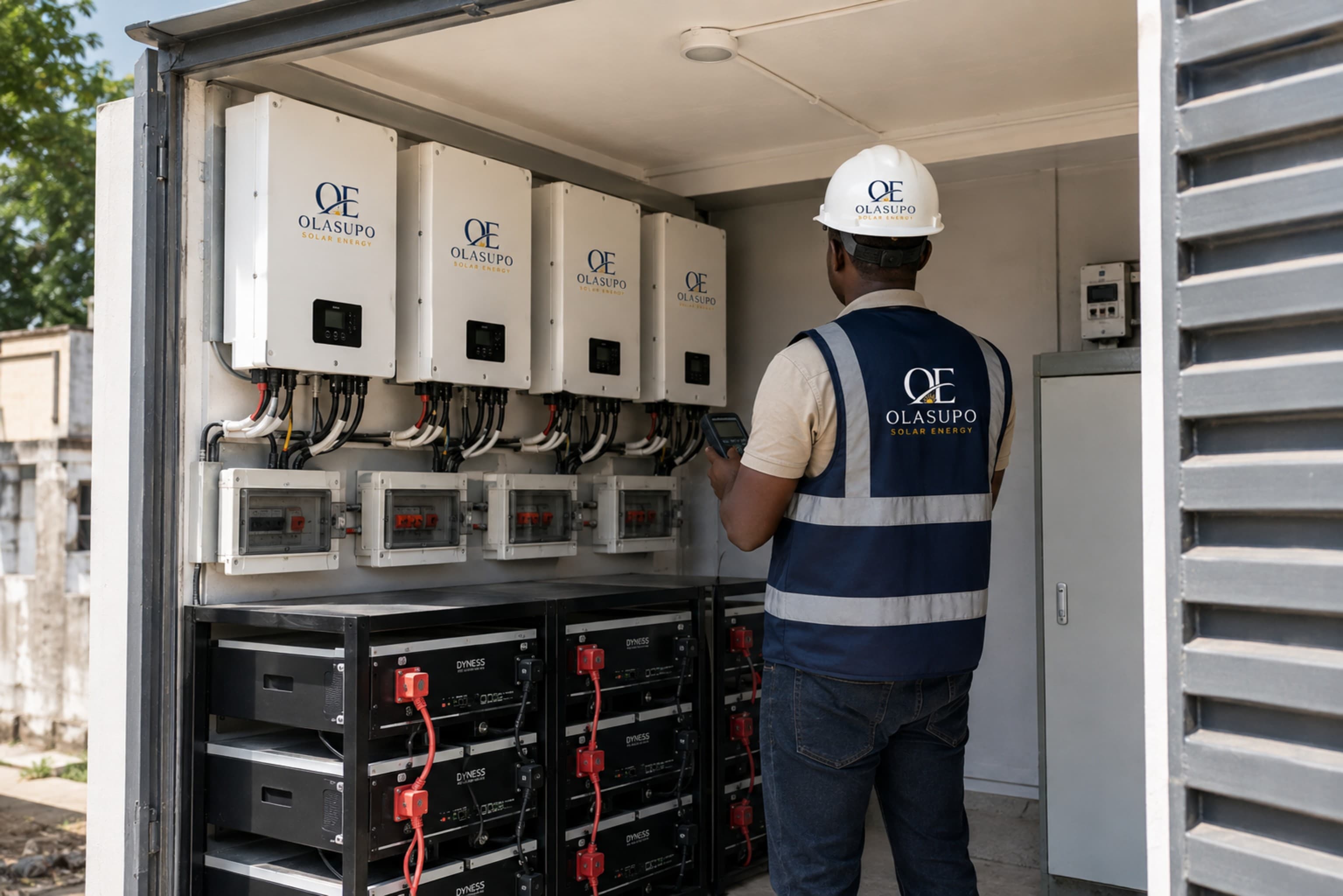
Farms & Agribusiness
Irrigation pumps, cold rooms, and milling equipment powered without fuel — protecting perishable stock and keeping farm operations running on schedule, rain or shine.
Solar-powered irrigation pumps that run without diesel refills
Cold storage kept online to protect perishable harvests
Sized for milling, drying, and other processing equipment
0
diesel refills needed
20+ yrs
panel lifespan
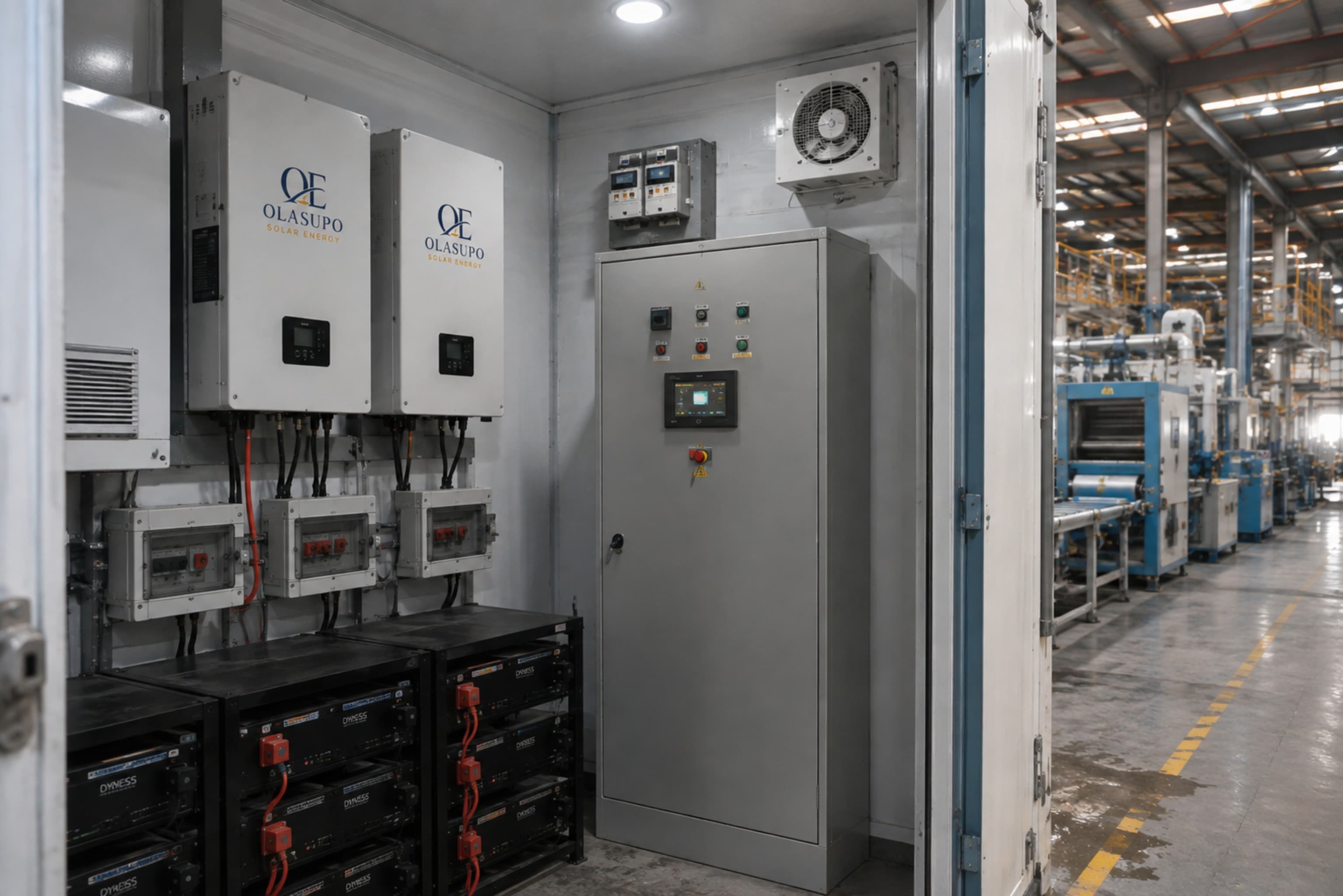
Manufacturing & Factories
Full production lines and heavy machinery on hybrid solar systems — engineered in-house for factory-scale loads, from 100kw sites up to multi-megawatt installations.
Systems sized from 100kw up to 5MW for industrial loads
Installed with zero interruption to ongoing production
Hybrid battery and inverter setup for round-the-clock power
100kw–5MW
system range
8–12 wks
install time (500kw)
24-Hour Hospital Power in Nigeria — Common Questions
Can solar really power a hospital at night?
Yes, but through batteries, not the panels directly. Panels charge the battery bank during the day, and the batteries carry the loads you've chosen to cover overnight. How much of the hospital that covers depends on the battery capacity, which is sized from your overnight load.
Will we ever need the generator again?
Most hospitals keep one as a last-resort backup, for example after a long outage combined with several overcast days. With a properly sized hybrid system it runs a fraction of the time it does now, and starts automatically.
Can you guarantee zero downtime?
No honest installer can guarantee that, because it depends on conditions, maintenance, and how the system is used. What we can do is design for the loads you can't afford to lose, with several layers of backup, test the changeover before handover, and tell you plainly how long each level of cover will last.
How big does the battery bank need to be?
It depends on your overnight load and how many hours of cover you want. Covering only critical loads needs a much smaller bank than covering whole wards. We calculate it from your actual load audit and state the capacity in kWh on your quote.
What happens during several cloudy days in a row?
Solar output drops and batteries recharge more slowly. We size for low-sun conditions and set the system to protect critical loads first, with the grid or generator topping up as needed. We'll explain exactly how it behaves in those conditions.
Will installation interrupt our supply?
We build the new system alongside your existing supply and do switchboard work in short, scheduled windows coordinated with your clinical team, so planned interruptions are brief.
Ready to Plan Your Round-the-Clock Power?
Send us your current diesel or grid bill and a list of the areas that must never lose power. We'll size it against your actual hospital and return a real, itemized quote — free, no obligation.
WhatsApp Olasupo Energy